You probably weren't all that impressed if you've ever tried on an item of "smart" apparel. Usually, it's just an ordinary shirt with a lot of stiff wires stitched into the seams or a plastic puck fastened to the chest. It looks strange, is unpleasant, and typically requires you to remove the electronics in order to wash them. However, this is changing due to a new wave of textile manufacture. This technology, known as fiber-integrated electronics, essentially makes your clothing act as a second skin.
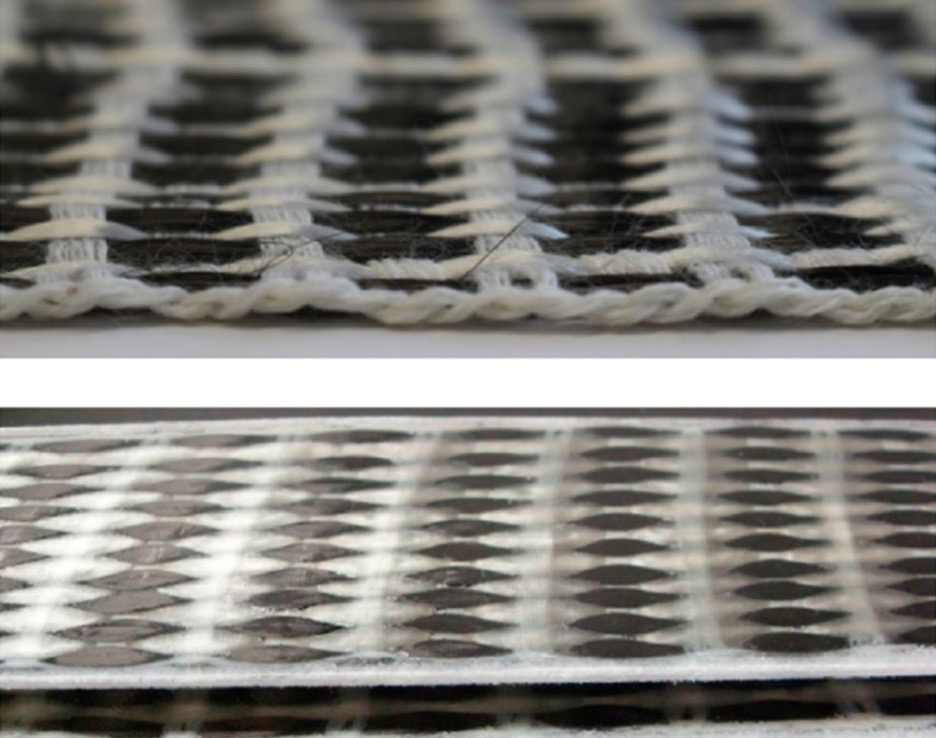
The major change here is that engineers are no longer attempting to affix devices to fabric. Rather, they are using the devices to make the cloth. They may include sensors right into the knit of a garment by covering individual strands with conductive elements like carbon nanotubes or silver, reports Tomorrow’s World Today.
It appears to be a typical workout shirt to the unaided eye. However, the threads function as electrodes when viewed under a microscope. These fibers are able to detect the moisture content of your perspiration as well as the minute electrical signals from your heart. The data is far more accurate than with a loose-fitting smartwatch since the sensors are incorporated in the fabric itself and do not move.
Hospital-grade information is being picked up by these textiles. By monitoring the electrical activity in a professional athlete's quadriceps during a sprint, it can monitor muscle exhaustion. Without the patient ever leaving their home, it can demonstrate to a physician how their range of motion is improving.
Related Adobe’s Digital Dress Changes Patterns
Additionally, it monitors breathing patterns and body temperature in real time. However, you don't feel like you're wearing a medical device because there are no wires or large battery packs. All it feels like is a cozy t-shirt.
We're still ways off from having these available in every department stores. Some problems still need to be resolved. First of all, it is difficult to make these conductive threads endure a hot dryer. The thin coatings employed to make the threads "smart" can be severely harmed by the chemicals in laundry detergent. Furthermore, the cost of mass-producing electronics is still higher than that of a simple cotton blend.
However, there is enormous potential for safety and health. Consider construction workers or firefighters. If a worker's core temperature rises too high or their heart rate jumps dangerously, a "second skin" jacket might notify a supervisor. It eliminates uncertainty about safety.