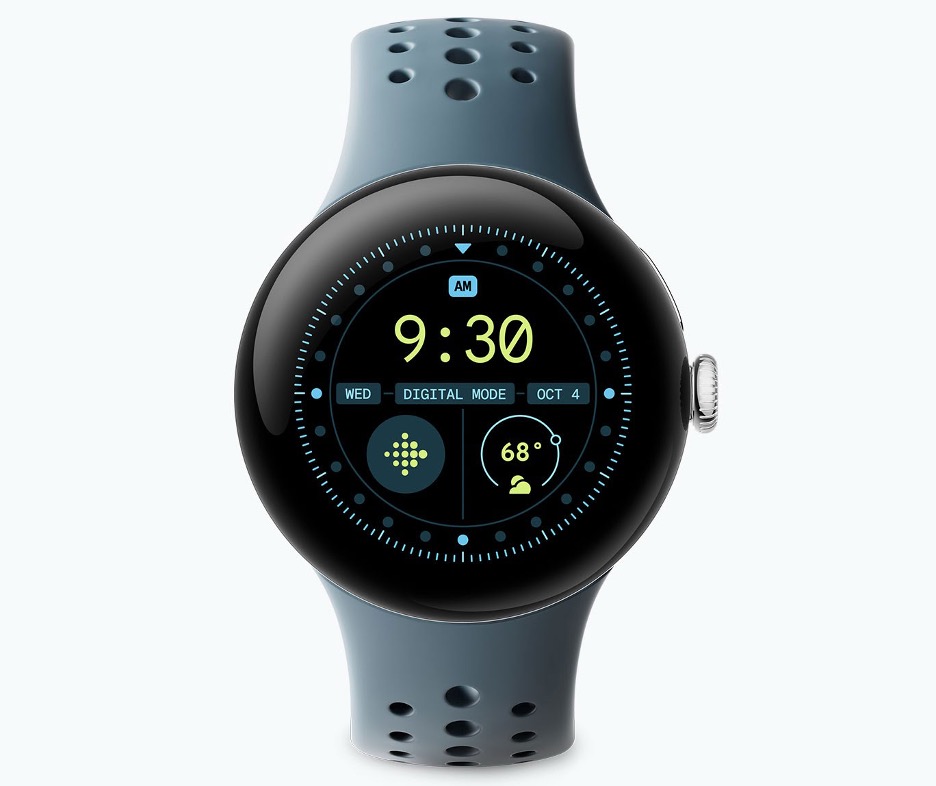
Google is making a major advancement in consumer health technology by adding a new function to its wearable devices that tracks changes in insulin resistance over time. The functionality is a component of Google's most recent health-related enhancements, which were revealed alongside the company's new wearable devices.
The new feature is intended to give users information about metabolic health without the need for needles or blood samples. Google's solution analyzes data from wearable sensors and using artificial intelligence to detect any shifts in insulin resistance rather than testing glucose levels directly, reports CIOTechOutlook.
Google's larger Health Guardian health-monitoring system will incorporate the capability. In order to find longer-term alterations that might point to changes in metabolic health, it uses data like heart rhythm, sleep habits, and physical activity that are processed by AI models.
Google's method is different from continuous glucose monitors (CGMs), which use sensors that usually need to penetrate the skin to assess glucose. Instead of giving real-time blood-sugar readings, the new wearable function aims to give a more comprehensive indicator of metabolic trends.
Related Smart Implant Saves Diabetes Patients from Hypoglycemia
The Pixel Watch 5 and Fitbit Air devices are anticipated to offer the technology. Google has marketed the function as an early warning system that may motivate people to monitor their health more closely and, if needed, seek expert medical counsel or make lifestyle adjustments.
The discovery coincides with a growing number of tech businesses investigating the use of fitness trackers and smartwatches for preventive health monitoring. Heart rate, sleep, activity, blood oxygen, and other indications are currently measured by wearables, and firms are attempting to extend their capabilities into areas that are typically associated with clinical monitoring.
Because insulin resistance is closely associated with metabolic disorders, such as an elevated risk of type 2 diabetes, Google's new function is especially noteworthy. Wearable technology may help users recognize metabolic trends earlier by tracking changes over time.
But rather than being a medical diagnostic tool, the feature is positioned as a wellbeing indicator. Google does not assert that the wearable can offer a clinical diagnosis or take the place of traditional medical tests.
The launch of insulin-resistance tracking demonstrates Google's larger approach of integrating wearable sensors, AI, and health data to provide more individualized insights. Additionally, it marks a change in the market toward proactive health monitoring, where consumer gadgets will be able to do more than just track fitness activity; they will also be able to assist consumers in understanding long-term health trends.