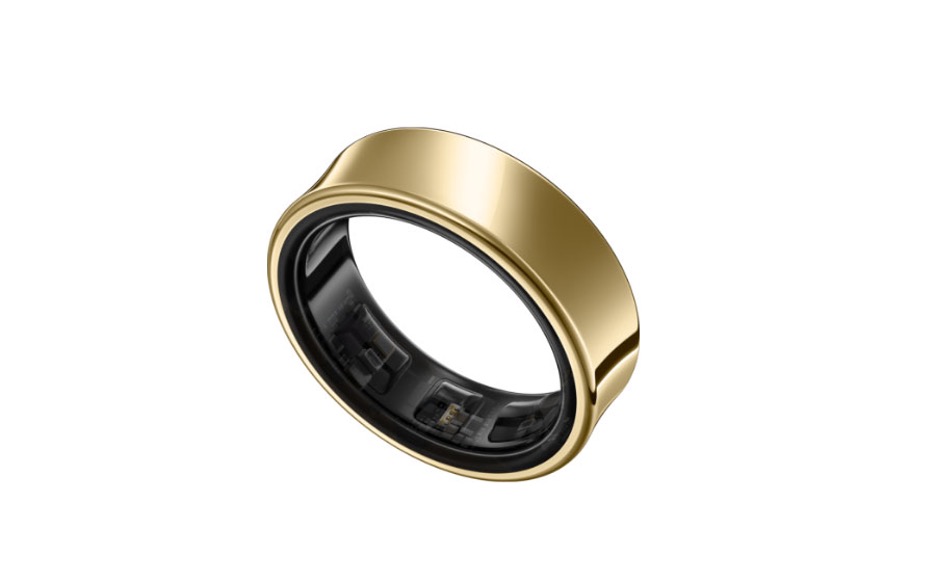
Samsung announced its next smart ring, presumably named Galaxy Ring 2 just after the new Oura Ring 5 hit the shelves. Compared to its predecessor, the Oura Ring 5 is roughly 40% smaller with an even longer battery life, although does come with a higher price tag. Given how intense the competition has become over the past two years, it's about time Samsung made a comeback to the smart ring market. How will the Galaxy Ring 2 compare to its competitors?
First off, given the sleeker shape of the Oura Ring 5, it wouldn't be shocking if Samsung adopted a similar "smaller but tougher" strategy for its own smart ring in order to increase comfort, reports Tech Radar.
Additionally, Samsung might learn from Oura and eliminate skin contact bumps from the ring's interior while increasing its battery life. We also anticipated that it would use a solid-state battery.
Pak implied that the Galaxy Ring 2 won't be the greatest change, despite the likelihood of design improvements. He said, "It's really about what services you create on the top layer. If you look at the comparison of other rings, regardless of the competitor, the sensors are not that different right now." What you actually notice is the software differentiation.
In light of these comments, the Galaxy Ring 2 will prioritize stronger software integration over hardware reupholstery. Pak added that Samsung intends to expand its networked environment in order to provide consumers with more precise measurements and a deeper understanding of their health-related behaviors.
Related Samsung Launches Galaxy Watch8 Series
Samsung uses the Samsung Health app to combine your data from the smart ring with data from other devices in its network, rather than relying solely on the metrics collected by the Galaxy Ring 2 to provide a comprehensive picture of your well-being. Galaxy Watches, smartphones, and even its line of SmartThings home appliances might be examples of this, providing you with more specific context for your everyday activities and general well-being.
It's a great win for consumers who are already well-versed in Samsung's gadget ecosystem, but the first-generation Galaxy Ring's inability to support iOS is one of its biggest drawbacks. Although Oura supports iOS, which gives consumers greater incentive to use its wearables over Samsung's, Samsung still has the overall advantage. However, this could change with the Galaxy Ring 2.
Pak strongly implied that the Galaxy Ring will eventually have iOS support in addition to software updates, saying, "I'm smiling but I can't say anything." The biggest surprise of all the new features would be iOS support, which would encourage non-Android customers to choose the Galaxy Ring over competing wearables.