In an effort to better understand their health, millions of people worldwide wear fitness trackers and smart rings to monitor their heart rate, body temperature, sleep patterns, and exercise. However, that same technology is being advanced to a higher level during the World Cup.
Players are using physiological data to control tiredness, improve recovery, and unlock even the slightest performance gains in a tournament where the difference between winning and losing can be extremely small, reports Jacqueline Howard and Andrew Quimby in CNN.
Commercial devices like sweat patches, WHOOPs, Oura Rings, and performance vests have been seen being used by athletes to train and compete, demonstrating how consumer wearables are still changing the science of professional sports and, consequently, how athletes of all levels practice.
Sweat patches
Long before the World Cup began, several professional soccer players began wearing commercial wearables.
A sophisticated "sticker" that tracks perspiration was crucial to the Brazilian team's training and preparation in the run-up to the competition.
Smart rings
Oura Ring is another fitness tracker making an appearance at the World Cup. According to Doug Sweeny, chief marketing officer of Oura, the wearable tech company's cooperation with US Soccer allowed the US Men's team to acquire Oura Rings.
Related Catapult Sports GPS for Football Teams
These measures could assist determine when players' bodies might be ready for more strenuous workouts and when they might benefit from more rest before or after training.
Fitness bands
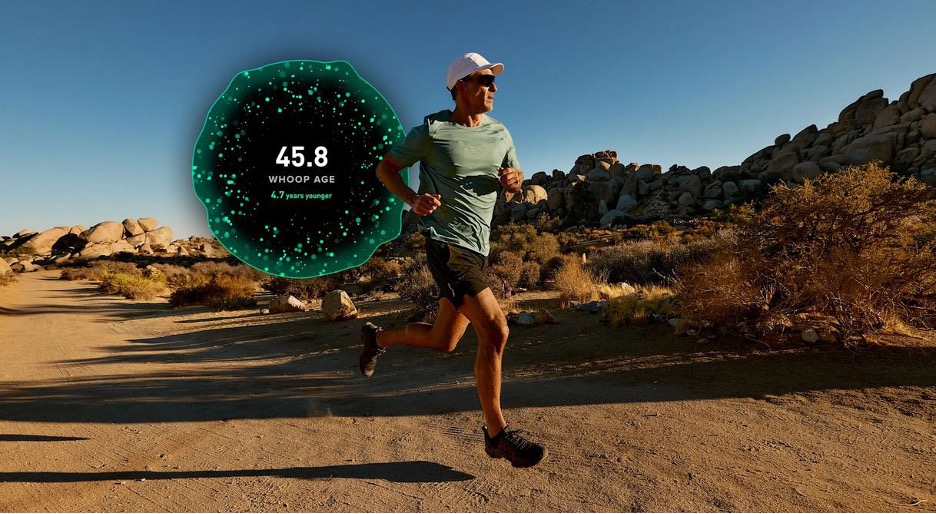
The WHOOP fitness bracelet is one wearable that some players have been using during World Cup games. Sleep, strain, stress, and heart rate are among the health indicators it tracks when worn snugly against the skin on the wrist, bicep, or other WHOOP Body places.
Any athlete's performance can be significantly impacted by travel and sleep disturbances. According to Greg Grosicki, WHOOP’s data scientist, WHOOP data—which was gathered from research studies rather than players—indicates that on days when users record travel or jet lag, heart rate variability can decrease by roughly 9%, sleep performance can drop by up to 6 points, and sleep consistency can decrease by up to 19%.
Performance vests
Sports tech company STATSSports’ GPS tracking systems is being used by twelve nations throughout the World Cup. It is being used mainly in a performance vest that tracks real-time physical metrics including heart rate, speed, and distance.
For the first time, England is offering live in-game GPS performance statistics during a World Cup utilizing STATSports technology. Throughout the competition, coaches and sports scientists can keep an eye on player workloads and physical performance thanks to the technology.
For example, the staff may choose to replace a player with a substitute in order to preserve them if their real-time metrics show that they are overworked, at risk of injury, or exhausted. This option is made because this year's World Cup has more matches than ever before.
The metrics that you can use
The same insights that enable great athletes are increasingly helping regular people better understand their own bodies, whether the objective is to compete on the biggest stage in the world or just feel healthier and more energized every day.
Hydration
One crucial indicator for athletes is hydration since it affects endurance, body temperature regulation, and even cognitive performance.
Sleep
In professional sports, sleep is now one of the performance factors that is monitored the most. Lack of sleep can hinder muscle repair, decrease cognitive function, slow down reaction times, and increase the risk of injury, according to research.
Body temperature
For every athlete, maintaining a healthy body temperature and drinking plenty of water are still essential. much while it was always anticipated that this summer's weather would be difficult, the US heat wave has made keeping an eye on World Cup players' temperatures much more crucial.
Heart rate variability
Heart rate variability, another key metric, provides insight into how well the body’s nervous system is adapting to physical and mental stress, helping athletes balance training intensity with recovery.
Final thoughts
Users should keep in mind that no algorithm is ideal for everyone while utilizing wearable technology, so if you feel like something is wrong, you are the best person to know your own body, according to Benjamin Smarr, a professor in the Department of Bioengineering and the Halicioglu Data Sciences Institute at UC San Diego, who has used the Oura Ring to study health outcomes.
Additionally, you still need to make changes to your regular workout routine, sleep schedule, and other habits in order to take advantage of wearable health data.