Measurements taken from a person’s fingertip could help identify physical patterns linked with stress, anxiety and depression, according to new study.
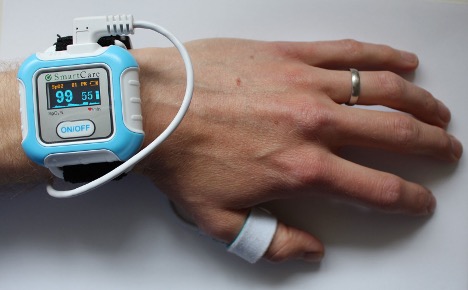
The international study, which included experts from Aston University, measured changes in the activity of the surrounding tissue as well as blood flow through the tiniest blood arteries using a wearable device that flashes light into the skin, reports Aston University.
These measurements were then combined with machine learning to investigate whether people reporting symptoms of stress, anxiety or depression displayed recognizable physical patterns.
The study involved 132 adults aged between 18 and 94 from across 19 countries. Participants completed a widely used 21-question assessment covering depression, anxiety and stress before undergoing repeated fingertip measurements.
The device examined how blood was flowing through the tiny vessels beneath the skin. It also measured substances associated with how cells produce and use energy, as well as skin temperature and heart rate.
Stress and anxiety can affect the nervous system, heart rate, circulation and metabolism, and scientists wanted to establish whether these effects could be detected through changes in the fingertip.
Machine-learning models were then used to compare the physical measurements with participants’ questionnaire results.