Around 50 million adults in the U.S. live with hearing loss. Only about one in five of those diagnosed seek treatment. The reasons are well known: hearing aids are expensive, can be uncomfortable, and still carry a stigma. Legato wants to remove all three barriers at once. In August 2026, the startup emerged from stealth with $12 million in funding and its first product, Legato Frames. No earpieces. No visible device. Just a pair of glasses.
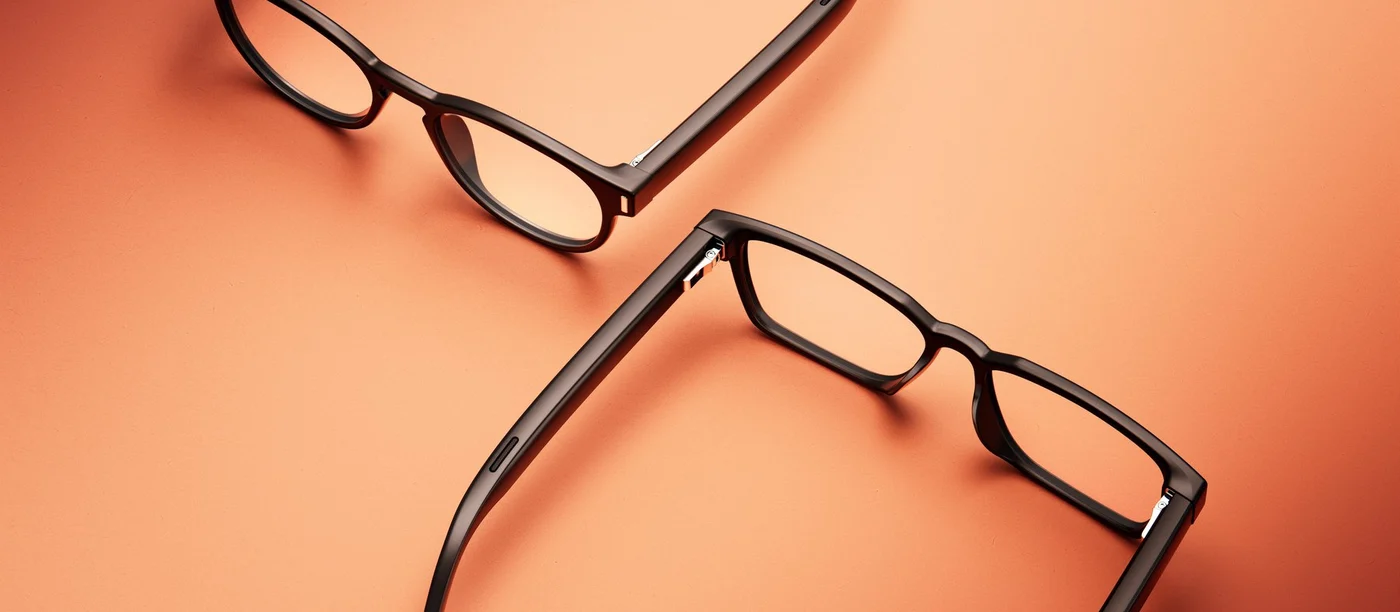
Legato Frames look like ordinary eyeglasses. The hearing system sits in the arms: microphones, speakers, and hearing-assistance electronics, driven by AI-based audio processing. The company calls them the world's first AI-powered hearing glasses and says they deliver hearing performance comparable to traditional hearing aids.
The technology is protected by four granted patents, with more than 20 applications pending. Legato has not yet released full technical specifications, such as battery life or fitting details.
What sets Legato apart is less a single sensor than a change of perspective. “We wanted to turn a hard-to-swallow medical device into a product people are actually excited to wear,” says co-founder and CEO Mehul Trivedi. Investor Kittu Kolluri of Neotribe Ventures puts it this way: while hearing aids have focused on being invisible, Legato treats hearing assistance as a style choice.
The go-to-market plan builds on that idea. Legato Frames will be sold as over-the-counter hearing aids, available online and through selected eye care providers in the U.S. Bought through an eye care clinic, they may even qualify for vision insurance. The frames will come in several styles and cost a fraction of the price of traditional hearing aids. The launch is planned for this fall.
Legato was founded in 2024 in Boston, Massachusetts, by product veterans from Bose and Apple who previously worked on hearing and wearable technologies. The company is led by co-founder and CEO Mehul Trivedi. Its $12 million funding comes from Neotribe Ventures, Listen, and Village Global. Legato targets a global hearing device market of around $15 billion.