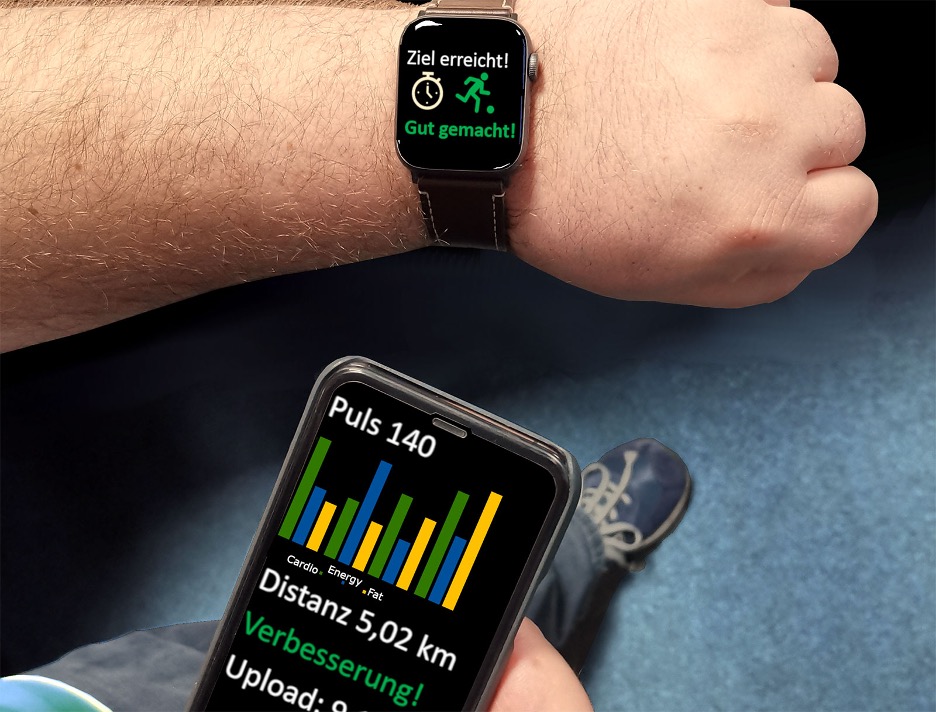
People can monitor their daily steps, heart rate, and sleep habits with the aid of consumer wearables like smart watches and rings. Because of the devices' widespread use and simplicity, researchers are using them more and more to study health, such as by tracking chronic illnesses or examining workout regimens.
Wuyoh Sui, a researcher in behavioral change and digital health at Western University in London, Canada, has been researching the most effective ways to employ digital technologies to enhance people's mental and physical well-being.
According to Sui, there are numerous ethical issues to consider when utilizing such commercial gadgets in research, even if wearables will surely offer more individualized health interventions through the use of personalized data. The two most important ones are data security (who might be able to access that data) and data privacy (what data these devices' AI-based algorithms use). Among the risks are sale, distribution, and theft of sensitive metrics that disclose an individual's daily routines and physical condition to advertisers, insurance companies, and businesses that sell personal data.
“At the moment, data privacy and security concerns supersede worries about researchers’ ability to validate non-transparent algorithms. Smartphones and smart watches introduced new opportunities to track movement, but added a third-party developer with commercial interests that are beyond the control of the researcher. As scientists, we are sharing the data with the developer, whether we like it or not, yet we have no control over where those data end up or how they are used. Any entity that collects the data is in a position to broker them,” Sui told Virginia Gewin in Nature.
Researchers and study participants can communicate more efficiently thanks to AI tools. For instance, researchers may use an AI chatbot to collect data when offering workout recommendations based on a person's present behaviors by asking the participant about their step objectives or any physical obstacles they encounter. The replies, when combined with wearable device data, can be used to develop customized interventions that influence participants' objectives and behaviors in ways that would be impossible for researchers to do on their own, according to Sui.
Has Radical Transparency Improved?
Not enough. Many wearable companies still explain data collection and usage through lengthy privacy policies filled with legal jargon. This can make it difficult for research participants to understand what happens to their data, according to Sui.
Related Wearables Wellness: The Rise of Human Augmentation
Researchers therefore have a responsibility to clearly explain the potential risks. Wearable data may reveal information about a person’s location, movements and other identifying details. There may also be risks such as data being shared with advertisers or exposed through security breaches.
While researchers cannot guarantee how companies will ultimately use the data, they can provide participants with a clear explanation of these risks so people can make an informed decision about whether they are comfortable taking part in the study, Sui says.
“The UN can influence global debates over the need for regulation of AI systems that pose risks to human rights, but ultimately it is up to countries to decide. In 2024, the European Union, a global leader in AI regulations, released its regulatory framework, which details the kinds of AI application that it deems to have risks, ranging from minimal to unacceptable,” Sui told Nature.