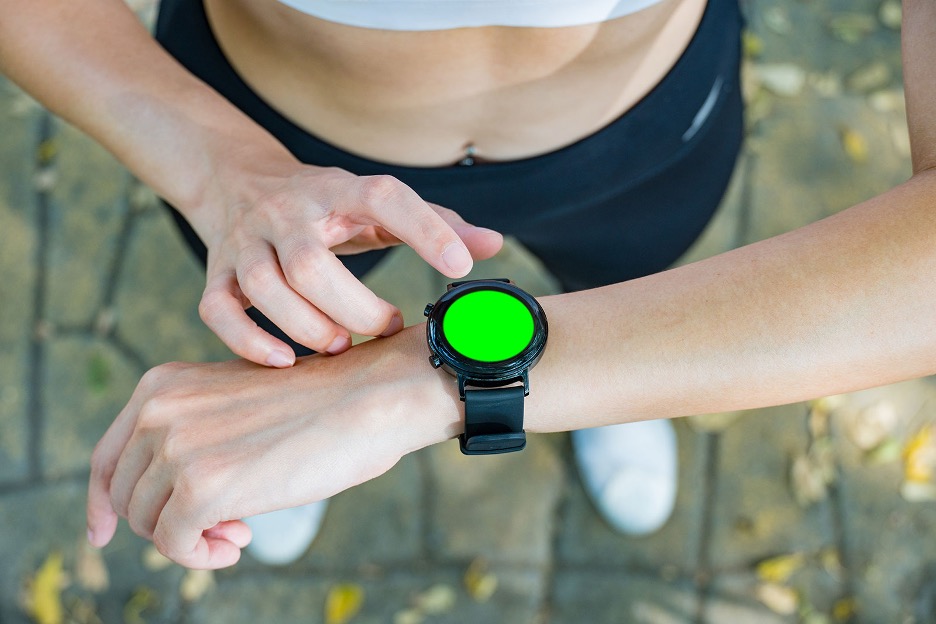
From counting steps and calories, wearable technology has come a long way. What began as a consumer fitness trend is rapidly becoming into one of the most prominent intersections of healthcare, artificial intelligence, biometrics, human performance, and security. The human body, computers, and sensors are all merging. The upcoming wearable generation is beginning to demonstrate the practical implications of such convergence.
The primary shift is that wearables are now less about measuring activity and more about getting to know people. Sleep, heart rate, heart rate variability, temperature, mobility, recovery, and other physiological information can now be continuously recorded by sophisticated sensors. Artificial intelligence can identify each person's distinct baseline after evaluating such signals over time. In addition to providing information on what our bodies are doing, the objective is to identify patterns that could help us make better decisions about fitness, health, recovery, and, eventually, longevity, reports Forbes.
That is a significant development in healthcare. Instead of relying just on sporadic measures taken during a medical visit, wearables can provide a constant stream of data about an individual's health. As I noted in a recent wearable article, miniaturized sensors have the potential to significantly change security, healthcare, and human-computer interaction.
Apple Watch
Apple Watch has evolved from a simple smartwatch into a powerful health and fitness companion. It can continuously track important health metrics such as heart rate, activity, calories burned, and workouts. Depending on the model and region, it can also provide features such as ECG, blood oxygen measurements, temperature sensing, sleep tracking, and notifications for unusually high or low heart rates. Apple Watch can detect signs of irregular heart rhythms and alert users when potential atrial fibrillation is detected. Fall Detection and Emergency SOS can also provide valuable assistance during emergencies. With its combination of sensors, health insights, and fitness tracking, Apple Watch helps users better understand their bodies and make more informed decisions about their daily health and wellbeing.
Related Google to Add Insulin Resistance Tracking
Dexcom CGM
Dexcom has transformed glucose monitoring with its continuous glucose monitoring (CGM) technology. Unlike traditional blood glucose testing, Dexcom CGM systems use a small sensor worn on the body to measure glucose levels continuously throughout the day and night. The sensor sends real-time glucose readings to a compatible smartphone, receiver, or smartwatch, allowing users to monitor trends without frequent finger pricks. Dexcom systems can also provide alerts when glucose levels are rising, falling, or reaching potentially dangerous ranges. This information can help users understand how food, exercise, medication, stress, and other factors affect their glucose levels. By providing continuous data and actionable insights, Dexcom CGM technology offers a more convenient and connected approach to glucose management, supporting people in making informed decisions about their daily health.
Pison
Perhaps the most fascinating thing to observe on the market is Pison, a newcomer to the scene. Pison is approaching wearable technology in a very different way. Instead of evaluating the body's external responses, its neural-sensing method uses electroneurography, or ENG, to detect electrical signals that travel from the brain to the muscles via the peripheral nervous system. The company states that their platform assesses mental agility, attentiveness, reaction time, and cognitive readiness in addition to normal physiological data.
The Future
When considered collectively, these businesses and their offerings point to a future in which wearables will be more than just apparel. It becomes a link between our biology and the digital world. The ultimate promise of this technology is not that machines will take the role of physicians, coaches, or human judgment. It's that we'll learn more about ourselves and have access to that information when it matters most.
As a result, the new world of wearables might be less about watches, rings, and bands and more about a much bigger change: giving people unprecedented visibility into their abilities, performance, and health.