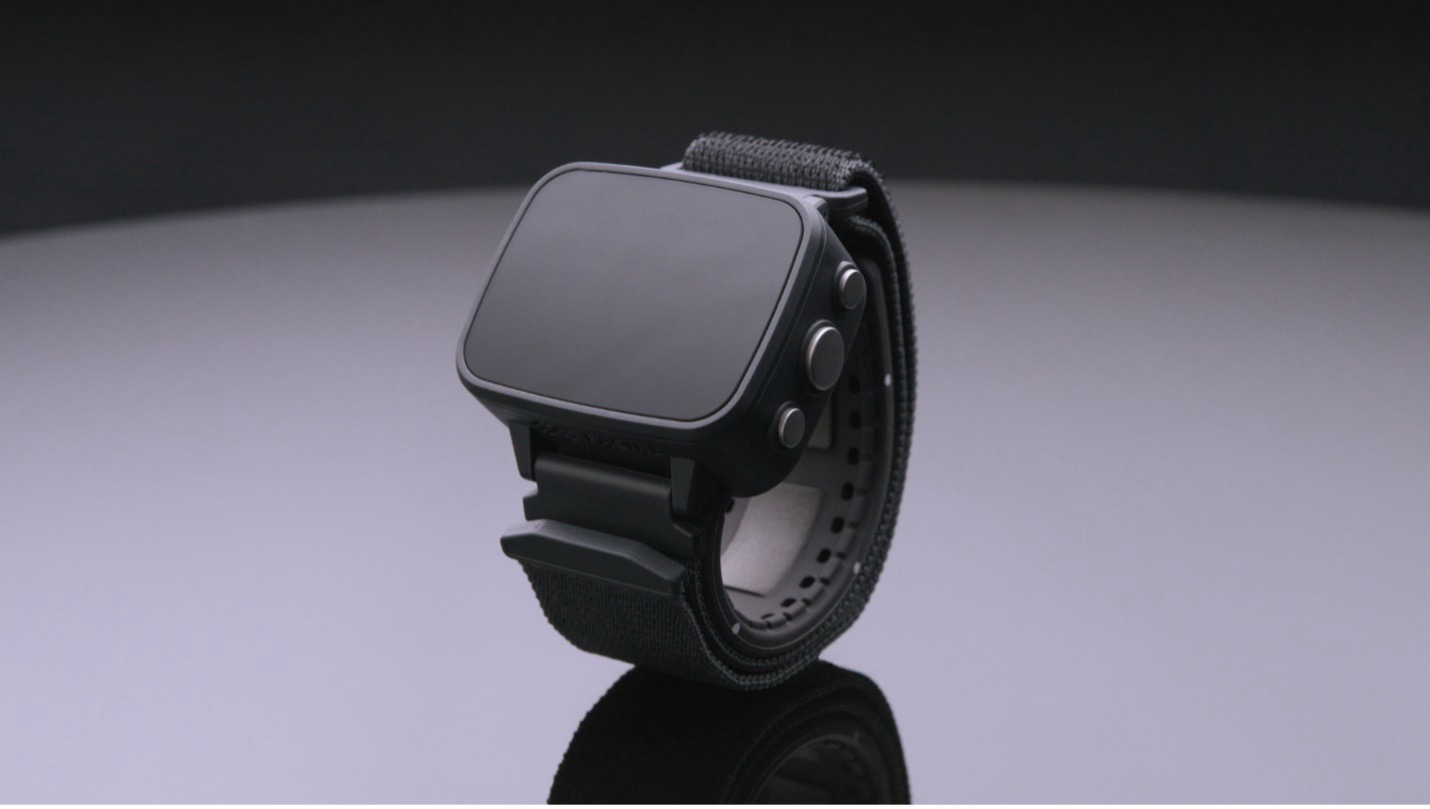
Minneapolis-based neuro-AI company Fasikl received FDA 510(k) clearance for its Felix NeuroAI Wristband for tremor-related functional limitations in the upper limbs in adults with essential tremor.
“The Felix wristband represents a significant step forward in noninvasive, personalized treatment options for essential tremor,” said Rajesh Pahwa, M.D., Laverne and Joyce Rider Professor of Neurology at the University of Kansas School of Medicine, Director of the Movement Disorder Program at The University of Kansas Health System.
“For many patients, current treatment options fall short — pharmaceutical treatments are helpful for less than 50% of the patients, and deep brain stimulation and focused ultrasound, while effective, require surgical intervention. This new AI wearable wristband backed by clinical evidence is an effective treatment option in patients with essential tremor.”
Related Mudra Link - Neural Gesture Control Wristband
Essential tremor is the most common type of tremor disorder, affecting approximately 7 million people in the U.S., and is about seven times more common than Parkinson’s disease. It causes involuntary, rhythmic shaking, most often in the hands, which can make simple and everyday activities like drinking from a glass or tying shoelaces difficult. Traditional treatment options are limited, with oral medications providing inconsistent relief and often accompanied by undesirable side effects. Surgical interventions such as deep brain stimulation (DBS), while effective, require invasive procedures, carry surgical risks, and may not be suitable or desirable for all patients, particularly older adults or those with coexisting health conditions, Fasikl said in a press release.
Unlike surgical or pharmacologic interventions, Felix is a noninvasive, wearable device that effortlessly connects to Fasikl’s cloud-based AI platform, enabling continuous brain-AI co-adaptation and personalized therapy. Worn on the wrist, it uses the cloud to dynamically adjust stimulation, offering all-day symptom relief while seamlessly fitting into the wearer’s lifestyle.
The FDA clearance of Felix is supported by compelling data from the TRANQUIL study, a randomized, double-blind, sham-controlled trial that met its primary endpoint. Results showed that the Felix wristband significantly reduced tremors and displayed statistically and clinically significant improvement in the users' ability to perform daily activities compared to those using the sham device (“placebo effect”).
“FDA clearance of Felix marks a defining moment for Fasikl and the millions of people living with essential tremor who have long been underserved by existing therapies,” said Zhi Yang, Ph.D., CEO of Fasikl. “This breakthrough in noninvasive, intelligent, and personalized neuromodulation marks the emergence of AI therapeutics in disease treatment. It offers a new option that is potentially more effective, safer, and more scalable. Our next step is to execute the commercialization plan to support Felix’s initial product launch."
The Felix NeuroAI Wristband will be available by prescription through healthcare providers in select U.S. regions starting in 2025, with nationwide availability expected in 2026.
About Fasikl
A 2019 spin-off from the University of Minnesota, Fasikl leverages its proprietary platform to capture neural signals directly from peripheral nerves, enabling intelligent, adaptive therapy. The company is on a mission to transform the treatment landscape for movement disorders, paralysis, and other neurological impairments through cutting-edge neuromodulation innovations. Fasikl’s portfolio includes the FDA-cleared Felix NeuroAI Wristband and the investigational Fasikl-X Nerve-Computer Interface.