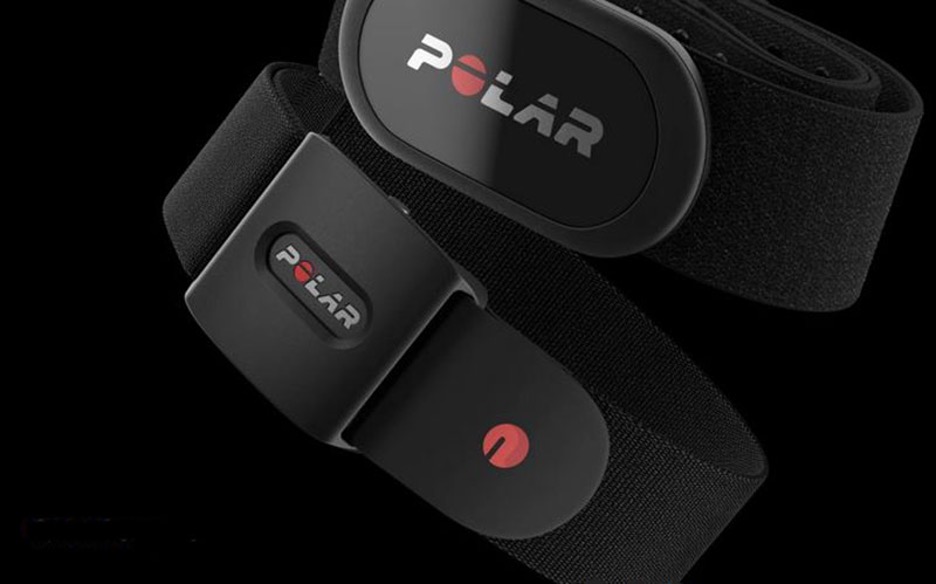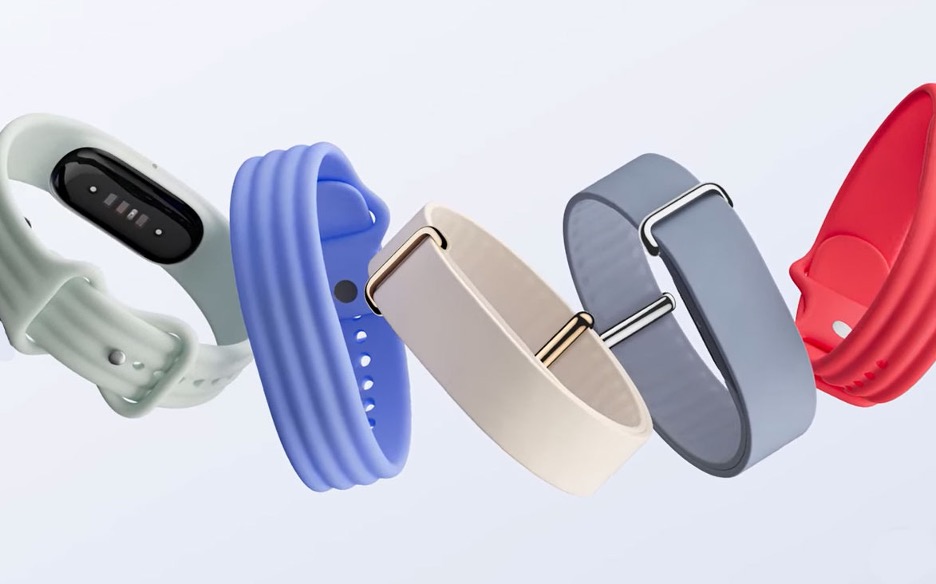
Despite the fact that companies like Whoop have been there for years, the Fitbit Air has taken the wearable market by storm, selling out at many stores and maybe starting a new trend of screenless fitness tracker bands.
The Fitbit Air is a $99 fitness tracker that doesn't have a screen or buttons, is compatible with both iOS and Android smartphones, and doesn't require a membership. It hardly even resembles wearable technology because it is so light and cozy.
Without even considering hiring basketball player Steph Curry as a Performance Advisor, Google has accomplished this in a few crucial ways. First of all, it's reasonable price makes it a far more affordable choice than companies like Whoop, reports Chris Martin in Tech Advisor.
While appearing to be on its way out with years between the Air and the previous generation, the Fitbit brand still has significant influence. Additionally, Google has stated that the Pixel Watch models will essentially replace the Fitbit devices.
The buzz and early success of the Fitbit Air give Google a good opportunity to extend its wearable game. I feel the corporation would be crazy not to follow up the Air with a Fitbit smart ring.
For many, the Fitbit Air's price of less than $100 makes it an obvious choice. In addition to the fact that the Fitbit brand is well-known and trusted, spending many times more on a rival is a considerably bigger purchase choice.
Read more Pebble Bringing Back Its E-Paper Smartwatches
At a comparable price, a Fitbit smart ring would be extremely popular. It would be four times less expensive than the Samsung Galaxy Ring, five times less expensive than the more elegant Oura Ring 5 finishes, and still less expensive than even the "cheap" smart rings that are now on the market.
Not to mention, low-cost gadgets like the Air don't need to generate enormous profits when one of their goals is to encourage consumers to sign up for Google Health.
Google has to seize this market opportunity right away.
One argument against this device could be that the smart ring is unnecessary for someone who recently purchased a Fitbit Air.
It doesn't have to be one or the other, though. For more accurate data and possibly longer battery life (as the Galaxy Ring does when used with a Galaxy Watch), they might operate concurrently (as the Air does with a Pixel Watch).
Alternatively, depending on your preferences and practicality, you might alternate between the two for certain settings and situations.
It makes perfect sense to get a Fitbit Ring. Google might dominate the market if it packs the Air's data-first, screen-free mentality into an inexpensive smart ring.