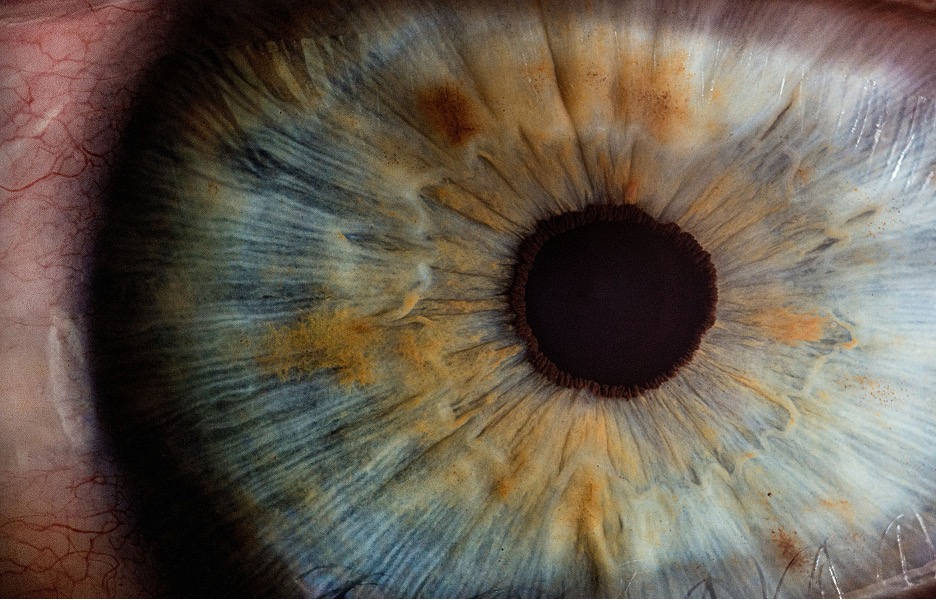
Haifa, Israel-based Rambam Eye Institute's Cornea Unit performed the world’s first transplantation of a fully 3D-bio-fabricated, cell-based corneal implant. The procedure was carried out on a patient who was legally blind in the treated eye, marking the first time anywhere that a corneal implant grown entirely from cultured human corneal cells, rather than donor tissue, has been successfully transplanted in a human being. In this instance, a single cornea from a healthy, deceased donor was cultured in the lab to create and print an additional 300 corneal implants.
Read more New Contact Lenses Let You See in the Dark
The implant was manufactured by Precise Bio, an Israeli regenerative medicine company that is developing advanced bio-fabricated tissues using human cells and 3D printing technology. Their platform produces a layered, transparent corneal structure designed to replicate the clarity and function of a healthy human cornea. The successful surgical implantation at Rambam represents a major step toward addressing the global shortage of donor corneas, which prevents millions of people worldwide from receiving sight-restoring treatment, reports Rambam Health Care.
Professor Michael Mimouni, Director of the Cornea Unit in the Department of Ophthalmology at Rambam, led the surgical team. He explains “For the first time in history, we’ve witnessed a cornea created in the lab, from living human cells, bring sight back to a human being. It was an unforgettable moment—a glimpse into a future where no one will have to live in darkness because of a shortage of donor tissue. This is a game changer.”
Rambam noted its technology could also be used to print cardiac tissue, and liver and kidney cells. Naturally, that'll need to be validated and trialed extensively before it can be commercialized, but this could spell relief for so many patients who need organ transplants where supply is constrained, in the coming years.