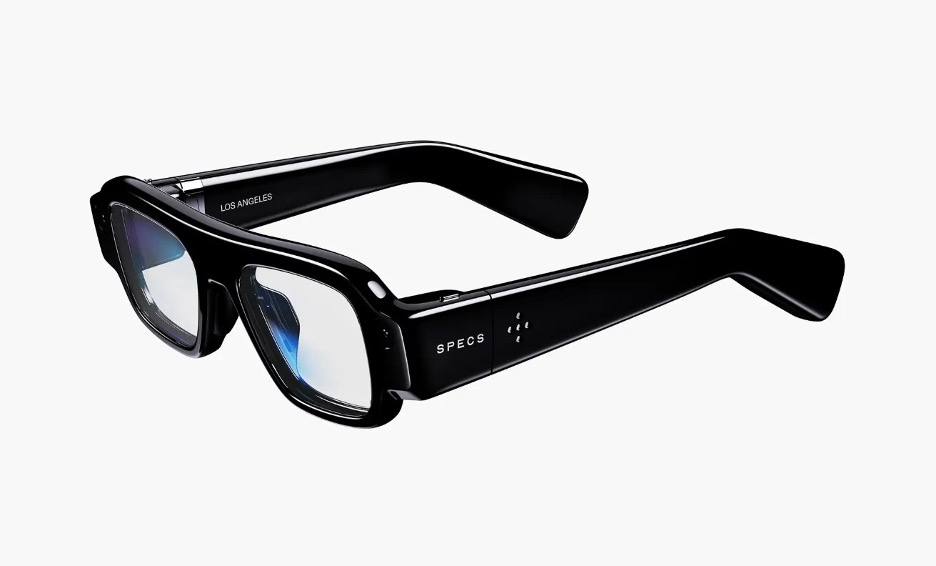
Samsung is taking a major step toward the future of wearable technology with its new intelligent eyewear, designed to bring mobile AI beyond the smartphone screen. Built on decades of experience in mobile engineering, hardware design and product development, the glasses combine AI, lightweight hardware and seamless connectivity with the Galaxy ecosystem.
Samsung says its goal is not to replace smartphones, but to help people use them less while still accessing the mobile experiences and information they rely on, reports Samsung.
Why AI Glasses, and Why Now?
According to Samsung, AI glasses will only become mainstream if people genuinely want to wear them every day.
Unlike smartphones, intelligent eyewear can interact with the environment around the user. By understanding what people see, hear and experience, AI can provide more natural, contextual and seamless assistance.
This could bring AI closer to everyday activities and reduce the need to constantly look at a phone screen.
Samsung believes intelligent eyewear could eventually become a new interface for mobile AI—one that is more personal, immediate and closely connected to the user's surroundings.
Engineering for Comfort
One of Samsung’s biggest priorities was making advanced technology comfortable enough for all-day use.
The company applied lessons learned while developing Galaxy XR, particularly in designing technology that sits directly on a person’s face. Every major engineering decision was focused on comfort, fit and everyday usability.
The intelligent eyewear is designed to be slim and lightweight. Samsung uses **patented slim hinges, advanced thin-wall molding, lightweight materials and optimized hardware components** to reduce the size and weight of the device.
The hinge structure is designed to resist corrosion and withstand everyday use, while the patented temple architecture improves structural strength.
Related Galaxy Ring 2: How Samsung Could Beat the Oura Ring 5
Samsung has also addressed heat management. Thermal graphite material on the left side helps prevent heat generated by the application processor from transferring directly to the wearer’s face.
Designed for Different Faces
Because every face is different, achieving a comfortable fit presented another engineering challenge.
Samsung used computational design and worked with eyewear partners to refine the glasses around key contact points, including the forehead, cheekbones and areas behind the ears.
The company also balanced the weight across both sides of the frame so that users can wear the glasses comfortably without feeling that one side is heavier than the other.
Samsung says it has filed around 200 patent applications related to intelligent eyewear, demonstrating its long-term investment in the category.
The ultimate goal is for all this engineering to disappear into the experience, making the glasses feel as natural as an ordinary pair.
Built for Everyday Use
Samsung also subjected the intelligent eyewear to extensive durability and safety testing.
Because the glasses are worn directly on the face, they needed to meet standards associated with both mobile devices and traditional eyewear.
Testing included exposure to high temperatures, humidity, sunscreen, cosmetics and sweat, as well as repeated folding and hinge-expansion tests.
Samsung applied its decades of manufacturing and quality-control experience from Galaxy products while adding testing specifically designed for intelligent eyewear.
Privacy at the Core
Privacy is particularly important for AI glasses because they operate in environments shared with other people.
Samsung says privacy was considered from the beginning of the design process. A front-facing LED indicator shows people nearby when recording is active, while an internal LED provides a similar indication to the wearer.
The glasses also use wear detection, which automatically disables recording when the glasses are removed. A feature called thwart detection can disable recording if someone attempts to block the external LED indicator.
Users can manage privacy and personalization settings through connected Galaxy smartphones. Samsung also says that users' audio, video and screen-sharing data are not used to train AI models.
The company plans to continue strengthening privacy features as the technology develops.
Samsung’s Vision for the Future
Samsung sees intelligent eyewear as more than another wearable gadget. It represents a potential new interface between people, smartphones and artificial intelligence.
The company has previously helped establish new technology categories, including foldable smartphones. Now, it hopes to play a similar role in intelligent eyewear.
Samsung acknowledges that this first generation is only the beginning. Its long-term vision is to make AI more wearable, personal and seamlessly integrated into everyday life.
The challenge is not simply putting AI into glasses. The technology must be comfortable, durable, private and genuinely useful.
If Samsung can achieve that balance, intelligent eyewear could become an important part of the next generation of mobile AI—allowing people to interact with technology more naturally while spending less time looking at screens.
For Samsung, intelligent eyewear is not the final destination. It is the first step toward a future where AI becomes a natural and almost invisible part of everyday life.