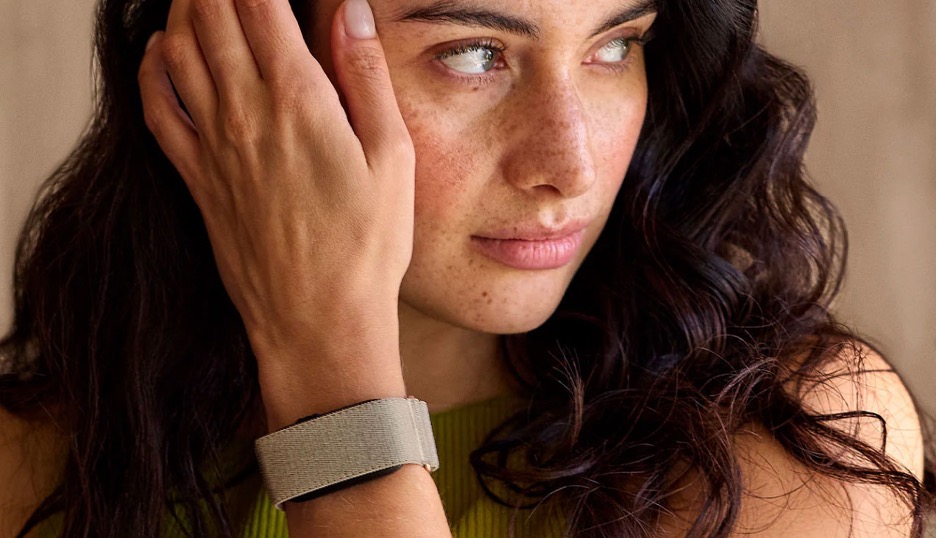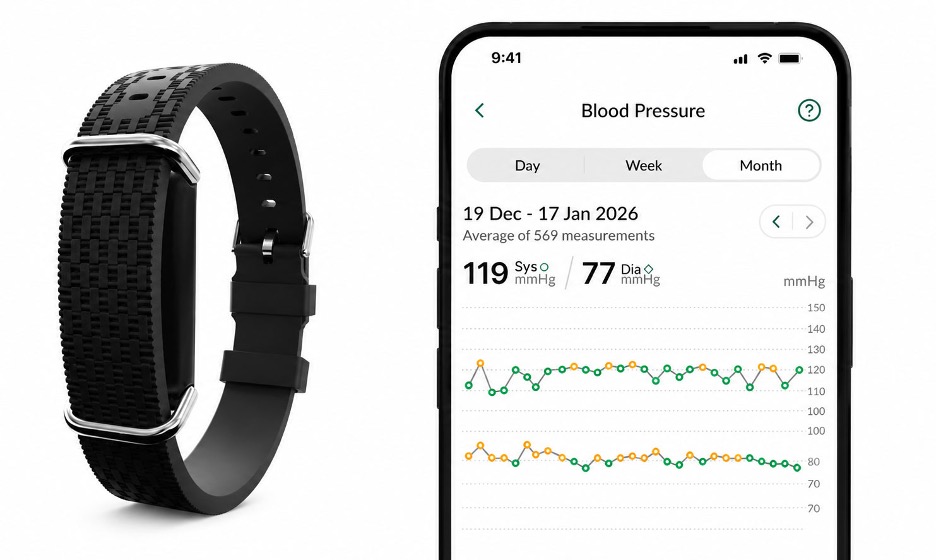
Wearable technology, such as fitness trackers and smartwatches, may be able to measure blood oxygen levels, track heartbeats, estimate blood pressure, and even identify temperature and activity changes that may indicate an approaching disease. These metrics were mostly gathered at hospitals, specialty clinics, and doctor's offices not so long ago, but now customers only need to press a button to review them.
These technologies are incredibly promising. Wearables have the potential to track recovery from illness, detect early indicators of disease, and provide a more comprehensive picture of an individual's health over time by continuously gathering physiological data. However, a crucial question still has to be answered as these devices get more advanced and entwined with healthcare: How can patients and medical professionals determine whether the data they offer is reliable enough to inform health decisions? – reports Michaela Martinez in Duke Pratt School of Engineering.
That question became even more pressing when the U.S. Food and Drug Administration (FDA) published revised guidelines for "low-risk" health products in January 2026. Certain noninvasive devices that assess physiological parameters, such as blood pressure and blood oxygen levels, may be classified as general wellness items under the policy instead of regulated medical devices. These characteristics might not be subject to the same regulations as conventional medical technologies as long as producers promote them for "wellness purposes."
The goal of the modification was to encourage innovation and lessen needless regulation. However, it is getting harder to distinguish between wellness products and medical devices as consumer wearables continue to develop from fitness trackers into instruments that produce clinically significant data.
Related Wearables Are Paving the Way for Data-Driven Healthcare
That ambiguity presents significant issues for Jessilyn Dunn, the Theodore Kennedy Associate Professor of biomedical engineering and biostatistics & bioinformatics at Duke University.
“Before this policy change, for devices that output clinically relevant parameters, the manufacturers were required to work with the FDA to demonstrate validity of the measurements,” said Dunn. “But as regulatory oversight recedes, these responsibilities are increasingly assumed by consumers and clinicians.”
Dunn is in charge of the BIG IDEAs Lab (Biomedical Informatics Group: Integrating Data Engineering and Analytics), where scientists create strategies to employ digital biomarkers and wearable-device data to better understand human health. The team's research examines how physiological signals obtained outside of conventional healthcare settings can be used to diagnose a wide range of illnesses, from chronic disorders like diabetes and heart disease to acute infections like COVID-19 and influenza.