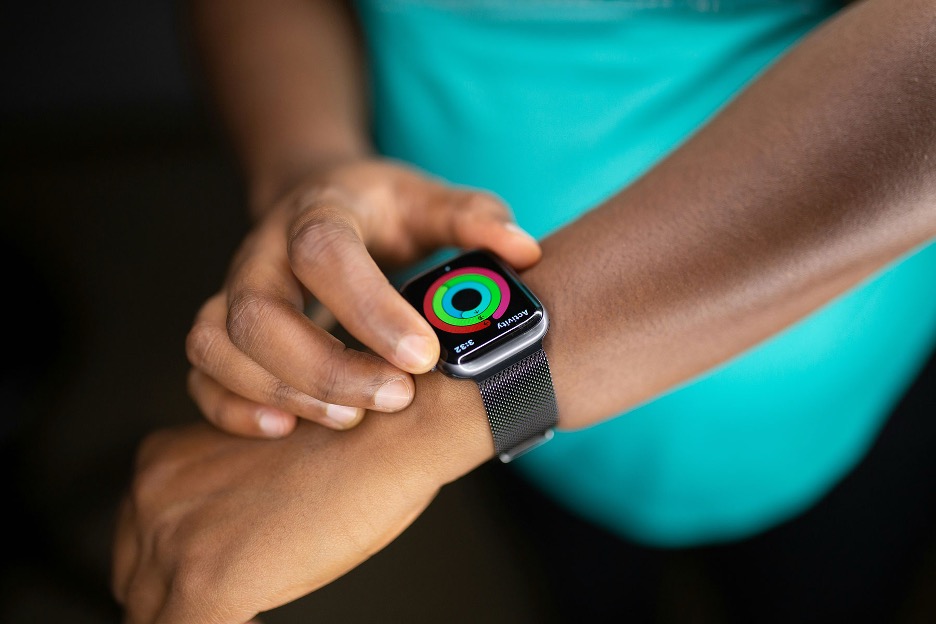
Retaining your independence while actively participating in your health and well-being is one of the biggest benefits of aging in place. From physical activity and sleep quality to heart health and safety, wearable technology of today can offer insightful information on significant areas of everyday life. Although no gadget can take the place of routine medical treatment or healthy lifestyle practices, the knowledge they offer can help you make better decisions and have positive discussions with your healthcare providers, reports ThriveMoreAtHome.
Apple Watch
Apple Watch is a versatile smartwatch that monitors daily activity, exercise, heart rate, sleep, and overall wellness. It can detect falls, identify signs of irregular heart rhythms, and provide emergency notifications to designated contacts. With health, fitness, communication, and safety features combined, it offers a convenient all-in-one wellness device.
WHOOP Band
WHOOP Band is designed for continuous health and fitness monitoring, focusing on sleep, recovery, strain, and overall performance. It helps users understand how daily activities affect their body and recovery. Unlike traditional smartwatches, WHOOP prioritizes personalized insights rather than displaying time or notifications.
Related Wearable Device Detects Hidden Stress
Oura Ring
Oura Ring is a discreet wearable focused on sleep, recovery, activity, and overall wellness. It tracks sleep patterns, readiness, heart rate, and daily activity while providing personalized insights. Its lightweight, comfortable design makes it especially appealing to people seeking better understanding of their health and daily energy levels.
KardiaMobile 6L
KardiaMobile 6L is a portable personal ECG device that records a six-lead electrocardiogram in about 30 seconds. It helps users monitor certain heart rhythm issues, including atrial fibrillation, and provides valuable information that can be shared with healthcare professionals for better-informed medical discussions.
Garmin Smartwatches
Garmin watches are well known for their detailed fitness and health tracking features. They monitor daily activities, heart rate, sleep patterns, workouts, and stress levels while offering accurate GPS functionality. Many models also provide advanced fitness insights and significantly longer battery life than conventional smartwatches, making them ideal for active users.
Fitbit Wearables
Fitbit devices track steps, heart rate, activity, sleep, and exercise and come in a variety of styles and pricing points. They are a common starting point for people who are unfamiliar with wearable technology because of their user-friendly interface.
Safety and Medical Alert Wearables
Wearable technology is combined with fall detection and emergency aid in devices like MobileHelp, Medical Guardian, and other personal emergency response systems for single people. These can give users and their families more peace of mind.
Knowledge Empowers Better Health
The right wearable device is one that aligns with your individual health goals. Whether you want to sleep better, stay more active, keep track of your heart health, or understand your body’s daily patterns, wearable technology can provide meaningful insights to help you make smarter health decisions.