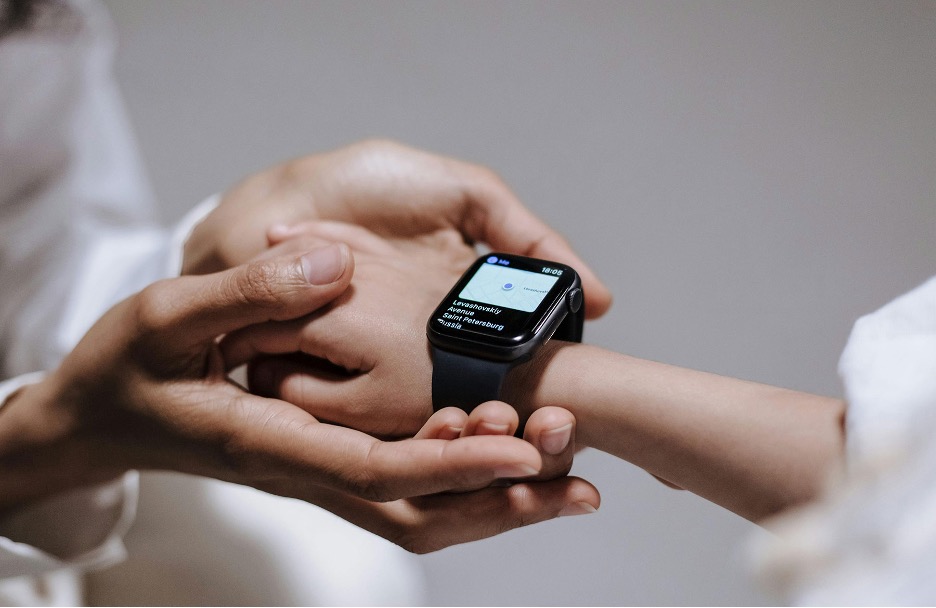
Researchers at Murdoch Children's Research Institute in Melbourne are moving beyond simple data collection and into real-world testing of a new system that combines artificial intelligence with wearable devices to help identify infections early in children receiving cancer treatment.
The institute recently revealed that its WEARABLES research project, headed by Rachel Conyers, will begin trialing the Apple Watch alongside a specially developed mobile application at The Royal Children's Hospital. The goal is to spot the earliest indicators of infection in children undergoing chemotherapy before symptoms become severe.
The WEARABLES initiative originally focused on determining whether useful health information could be reliably gathered from pediatric cancer patients through the Apple Watch ECG feature. Now, the project is taking a more ambitious direction. According to Lane Collier, a doctoral researcher at the University of Melbourne and member of the study team, the researchers are investigating whether constant background monitoring through everyday wearable technology — enhanced by AI analysis — can recognize subtle warning signs of infection in young cancer patients in a way that is practical for hospitals and comfortable for families, reports MobiHealthNews.
Despite major improvements in childhood cancer treatment, long-term complications remain a serious concern. The institute reports that a majority of childhood cancer survivors develop at least one chronic medical condition later in life, while more than a quarter face severe or even life-threatening health problems linked to their treatment. Infections are particularly common among patients experiencing treatment-related side effects.
Researchers in pediatric oncology have also observed that infections can worsen extremely quickly in children with neutropenia, a condition marked by low white blood cell counts. In many cases, parents are the first to detect subtle behavioral or physical changes in their children before clinicians notice clear symptoms.
Related Sonar Smartwatch Enables Hand-Tracking Breakthrough
Collier also pointed out a major limitation in current healthcare technology: many diagnostic thresholds and AI-driven monitoring systems used today were originally developed using adult patient data, which may not accurately reflect the unique needs and physiological patterns of children undergoing cancer treatment.
"Despite growing interest in wearable monitoring, the evidence base for real-time, intervention-focused use specifically in pediatric oncology remains limited," Collier told Mobihealth News. "That's precisely the gap this study is designed to explore."
"The knowledge generated here contributes to understanding what is possible and what still needs to be solved, before this kind of monitoring could be equitably deployed at scale," she stressed.
Collier also noted that once AI-supported wearable monitoring could reliably identify infection risk earlier, the implications could be far-reaching.
"In settings where families travel long distances to access care, where oncology workforce capacity is stretched, or where delayed presentation to the hospital is common, an early warning system that works passively [at] home could be genuinely meaningful – potentially the difference between a child receiving timely treatment or not."
Still, access to digital technology would have to be addressed first, particularly in lower-resource settings, Collier said.
"For this kind of technology to be more widely applicable, the field would need to address device cost and accessibility, compatibility across a wider range of smartphones, offline functionality for settings without reliable connectivity, and, critically, AI models trained on diverse populations."