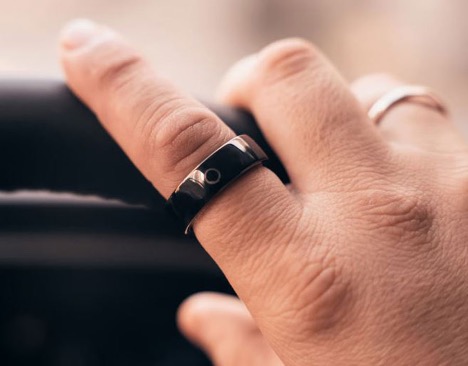
As wearables are becoming popular, their uses are also becoming diverse. Commercial use of wearables is on the rise. Wearable devices that were once used to measure your steps and heart rate can now act as a barcode scanner. Factories and construction sites are using wearables to improve safety and productivity of workers.
Related Construction Safety: Wearables Could Monitor Stress, Risk and Physical Demands
In 2013, MHI CEO George Prest and his team took a trip across the country to ask materials handling stakeholders a simple question, “Where do you see the industry in 2025?”
The answer was that the business community was changing rapidly. People in the supply started to talk about bringing up 3D printing to drones in the future.
According to MHI, 70% of facilities will adopt wearables in the next five years.
And while adoption rates seem to be high, it’s something that companies are doing in stages.
“It’s a journey, not a destination, especially for large companies," Bill McBeath, chief research officer at ChainLink Research, told Supply Chain Dive. “Companies that are further along, they’ve realized all kinds of benefits, adding that it’s not really an option anymore for companies that want to stay competitive.”
“If your competitors are doing all of that and you’re still sitting on your 20th century manual way of doing things, they’re going to have a big advantage,” he said.

The return on investment (ROI) on a wearable-inclusive system is much higher for those higher frequency picks.
The new trend in wearable is using voice technology. Smartglasses with Augmented Reality (AR) will be the next big thing in manufacturing facilities.
Related Wearables with IoT Connected Sensors Helping to Improve Worker Safety
“It’s lots of delivery of text on your lens and laying over a picture of the product that you’re supposed to be picking,” Don White, vice president of solutions at Snapfulfil, told Supply Chain Dive. White sees this as being a growth area as the glasses are improving, and becoming cheaper.
MHI identified 11 technologies that will shape smart manufacturing: