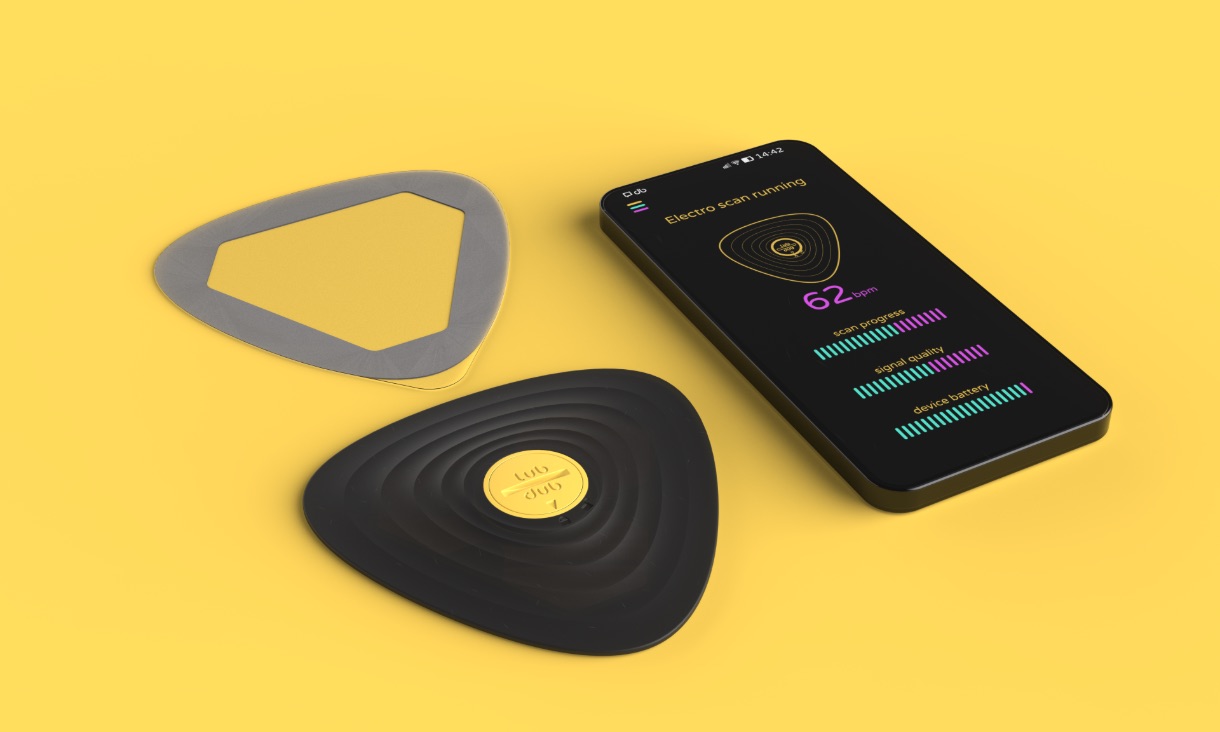
Heart monitoring could soon become a lot more comfortable. Australian start-up Lubdub has started a clinical trial of a lightweight, gel-free and waterproof ECG patch that tracks heart rhythm for up to 14 days. The aim is to give doctors the same detailed information as a medical-grade Holter monitor, without the bulky wires and sticky gel electrodes.
The technology was originally invented at RMIT University in Melbourne and is now being developed by Lubdub. The trial is taking place at Midlands Medical Specialists in Perth, Western Australia. Patients who have been prescribed a traditional Holter monitor will also wear the prototype patch, so the results of both devices can be compared directly, reports News-Medical.
Earlier tests with healthy volunteers were promising. Participants found the patch comfortable to wear, and the data it recorded was 18 times cleaner than data from traditional Holter monitors. According to the team, this could reduce the work needed to create cardiac reports so much that the same workforce could monitor up to 85% more patients, even before tools such as AI are introduced.
RMIT Professor and Lubdub co-founder Sharath Sriram explained that the flexible sensors make better contact with the skin than conventional Holter monitors. Because the patch is designed for use outside the hospital, it collects data while people go about their normal daily activities.
Related Smartphone-Compatible Patch Measures Heart Health
This matters because cardiovascular disease is responsible for around a third of deaths worldwide and nearly a quarter of deaths in Australia. Sriram pointed out that early symptoms are often missed, and most heart failure diagnoses and hospital admissions happen as unplanned emergencies. Better long-term monitoring could help close that gap, especially for people in rural and remote areas with limited access to specialists.
For co-founder and director Nikhilesh Bappoo, the mission is personal. His father had a heart attack in Perth a few years ago and received specialist care in time. Bappoo grew up in Mauritius, where access to specialists is more limited, and said the outcome could have been very different there.
Who Is Behind the Lubdub Patch?
The ECG patch is only the first step. Lubdub plans to combine three technologies on one software platform: the wearable ECG, non-invasive cardiac biomarker testing, and wearable ultrasound imaging. RMIT has licensed the intellectual property for the ECG and biomarker inventions to the start-up, which also has access to pilot manufacturing at RMIT's Discovery to Device facility.
In September 2026, Lubdub announced an oversubscribed $6 million seed round, double its original target, backed mainly by physicians and heart specialists. The Heart Foundation has also named Lubdub one of its 10 most promising heart health projects for 2026.
When Will the Lubdub Patch Be Available?
The trial will gather the evidence needed for further development and potential regulatory approval. No date for a market launch has been announced yet.