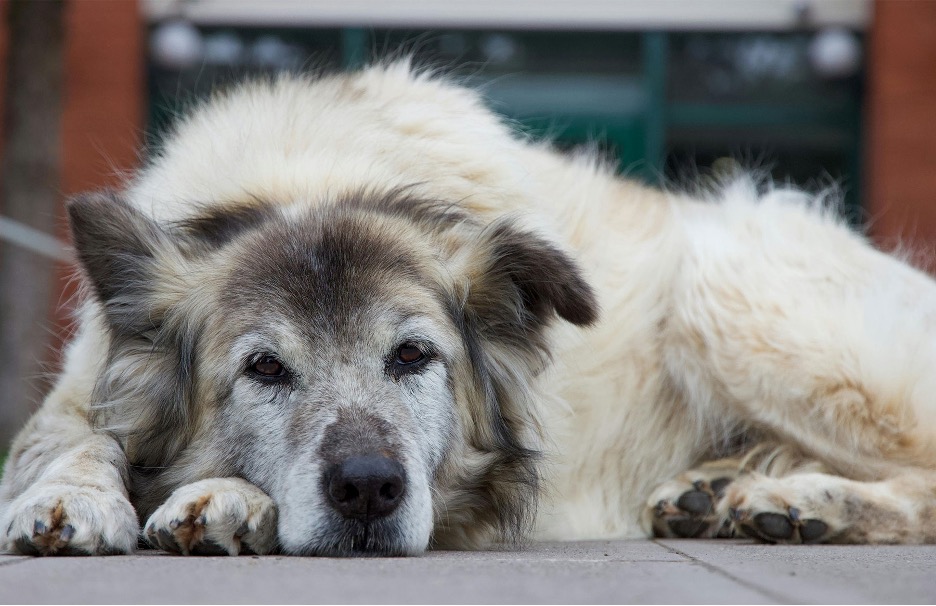
For Kunde, a blind dog, a group of researchers at Rice University has created a haptic feedback vest and camera system. The researchers hope that the vest will soon help other puppies navigate the challenges they face on a regular basis.
A significant percentage of elderly dogs will eventually go blind, whether due to glaucoma, diabetes problems, cataracts, or a variety of other injuries and illnesses. Even though a lot of dogs may eventually learn to traverse their environment without seeing, canines frequently knock into furniture and walls during this process, which is annoying for both dog owners and their closest friends, reports New Atlas.
The owners of Kunde, a dog from Houston, turned to Oshman Engineering Design Kitchen, an engineering design maker space at Rice University, for assistance after Kunde became blind from glaucoma. Kunde was lucky that four young students heeded the call.
Related Dog Collar Tracks Behavior & Health
The scientists created a wearable system for the dog that included a vest and a set of stereoscopic cameras placed close to his head, building on an earlier system that employed LiDAR for navigation. Small actuator motors in the vest receive signals from the cameras, which are far less expensive than the LiDAR system, regarding impediments in the dog's route and vibrate in response. The vibration intensifies with the dog's proximity to an obstruction.
“Kind of like giving Kunde a second set of eyes, the cameras create a depth map,” said Issy Tsai, a freshman electrical engineering major who designed the team’s custom printed circuit board, which sends the signals from the camera to the vest.
Kunde is currently testing the system after figuring out how to keep it lightweight and weatherproof, both in terms of rain and the intense heat that is typical in Houston. The finished prototype has a battery life of roughly two hours and can "see" up to 8 meters (26 feet).
“The team has made exciting progress, and while there’s still more development ahead to fully meet the client’s needs, they’ve already demonstrated the power of having a real-world challenge to drive meaningful design,” added team mentor, Heather Bisesti. “It’s motivating for students to see how their work can make a direct difference in someone’s ⎯ or some dog’s ⎯ life.”
The researchers intend to use the knowledge they have gained from working with Kunde to create a navigation system that will eventually enable other blind canines to flourish in their surroundings.