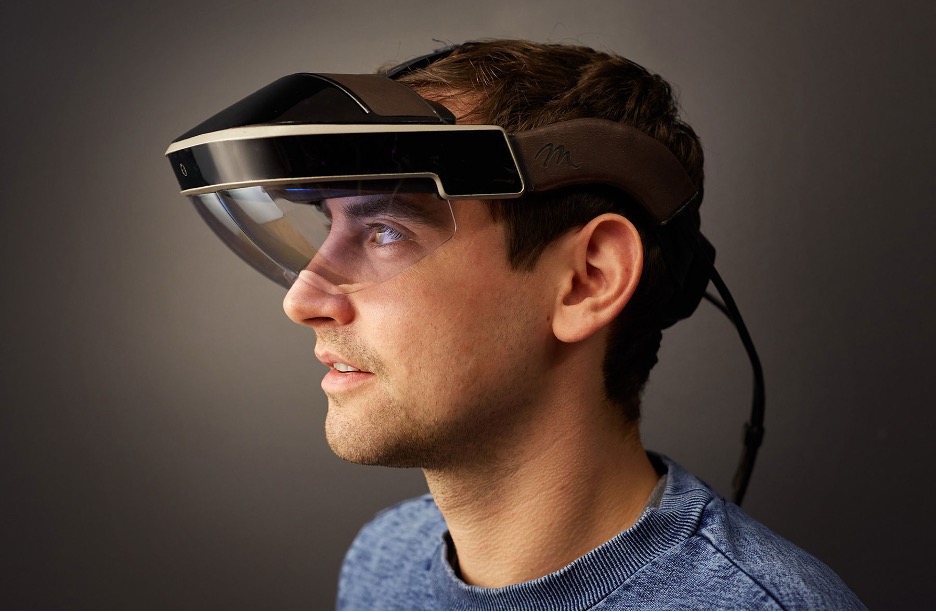
Next year, Meta's early lead in the global AI smart glasses market will be challenged by Apple and Samsung Electronics, paving the way for a three-way struggle between major tech firms over the next generation of AI-powered gadgets.
Apple intends to present its first smart glasses at its annual Worldwide Developers Conference in June 2027, with a commercial debut anticipated later that year, according to industry insiders on Sunday.
The device was supposed to be released by the end of this year by the Apple, but it was reportedly postponed as it addressed privacy issues with wearable AI technology, reports The Investor.
It is anticipated that Apple would adopt a similar approach to the introduction of the Vision Pro mixed reality headset. The hardware and software platform will probably be shown by the Apple at WWDC, giving developers time to design apps before the product is released to consumers months later.
It is anticipated that Apple's strategy will prioritize privacy.
Related Apple May Launch AirTag-Sized AI Pin with 2 Cameras
According to reports, the company, which has made privacy a core principle for over ten years, is creating the glasses to restrict the gathering and processing of personal information by third parties.
Apple is expected to focus on-device AI capabilities for data processing and visual recognition rather than significantly depending on cloud-based processing. Industry sources say it is unlikely to involve facial recognition.
Apple is also anticipated to steer clear of Meta's "supersensing" strategy, which continuously scans the wearer's environment. As part of its larger privacy-focused strategy, the corporation is unlikely to train its AI models using user-captured photographs.
Additionally, the company is debating whether to introduce a camera-free model. Another alternative under consideration is a camera-equipped version that limits standard photo and video capabilities while using the sensor mostly for AI tasks like object and location identification.
As a result of its collaboration with EssilorLuxottica, a major player in the eyewear industry, Meta presently dominates the market by providing AI-powered capabilities in its Ray-Ban smart glasses. Last year, Meta had 85.2 percent of the global market for AI smart glasses, according to market research firm Omdia.
Samsung is joining the competition with its own AI-driven wearable platform.
Samsung unveiled its smart eyewear, created in collaboration with Google, Gentle Monster, and Warby Parker, at its Galaxy Unpacked presentation in London on July 22. This fall is when the product is expected to launch.